Feedstock sourcing
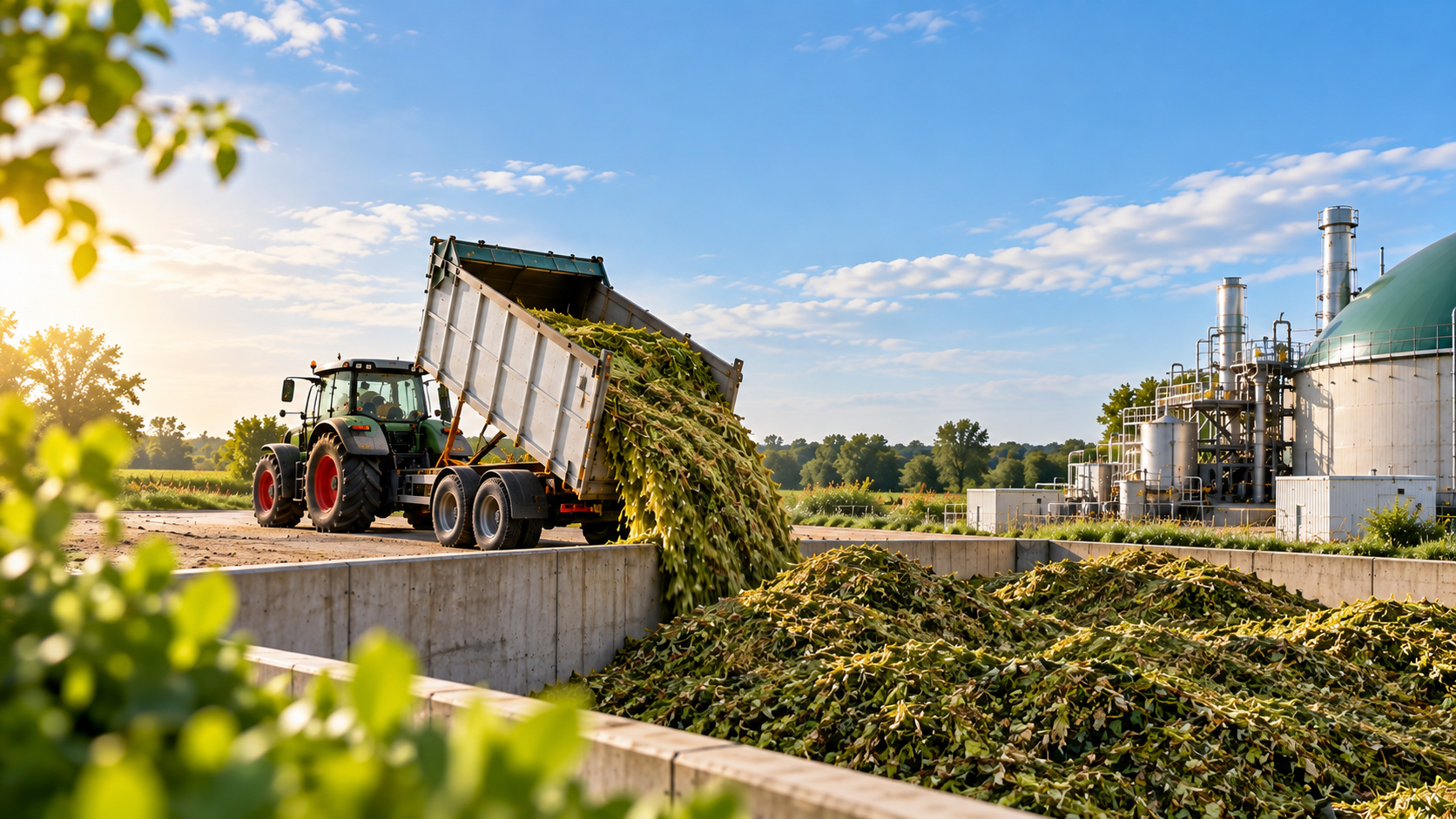
Agricultural residues, livestock effluents, agri-food by-products, sequential crops and olive-processing materials.
What we purchase →

Feedstock · Logistics · Biomethane
EcoStock manages the sourcing, assessment and movement of organic feedstock for anaerobic digestion plants across Italy.
What we do
Agriculture and the agri-food industry generate organic materials with residual value. EcoStock connects those flows with plants able to transform them through anaerobic digestion.
Our role is focused and operational: purchasing feedstock, checking its suitability and origin, organising logistics and supporting continuity of supply.
Our work
Agricultural residues, livestock effluents, agri-food by-products, sequential crops and olive-processing materials.
What we purchase →Material assessment and documentary controls support a consistent and traceable supply chain.
Our process →Collection, storage planning and delivery are coordinated according to material availability and plant requirements.
Supply chain →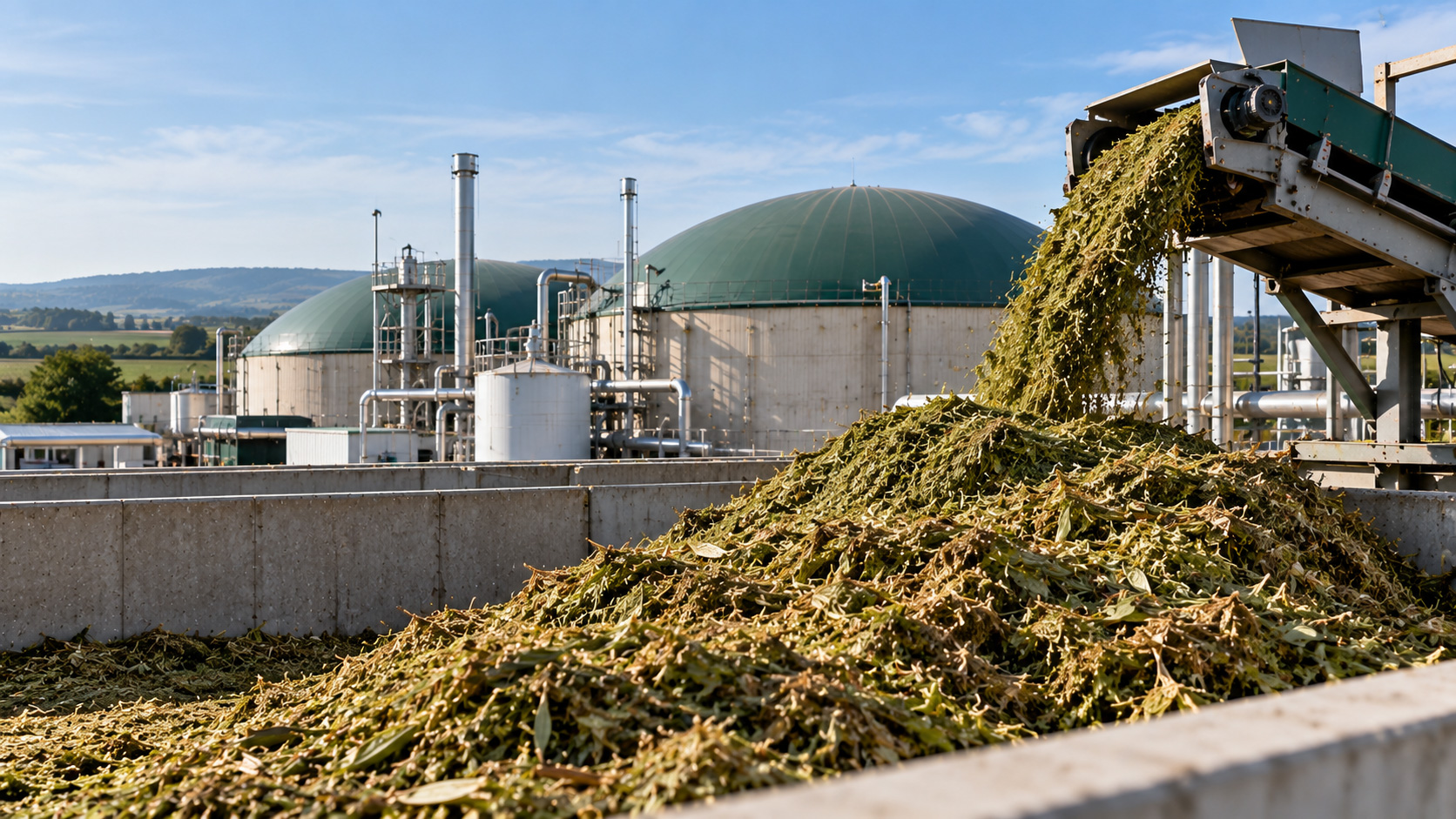
Circular economy
The circular value chain does not end at energy production. Anaerobic digestion generates biogas and digestate; after upgrading, biogas can become biomethane, while digestate can be returned to agriculture in accordance with applicable rules.
EcoStock operates upstream, where reliable sourcing, quality and logistics are essential to keep this cycle supplied.
Explore the circular model →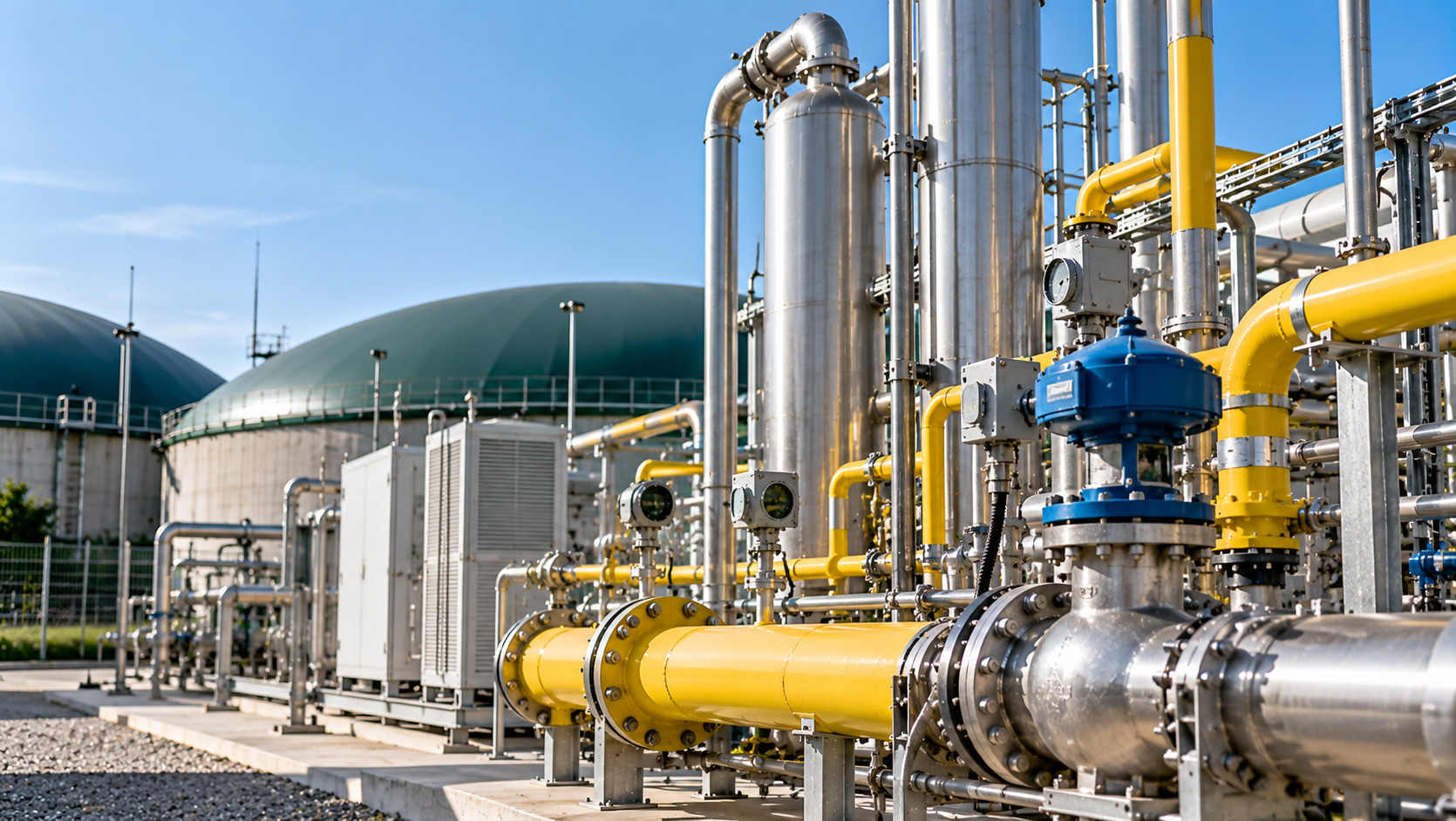
Biomethane
At the plant, organic material is converted into biogas through anaerobic digestion. Upgrading removes unwanted components and increases methane concentration, producing biomethane suitable for its intended energy use.
From matter to energy →Quick answers
A first overview for feedstock producers and plant operators.
All FAQs →Livestock effluents, crop residues, agri-food by-products, sequential crops, olive pomace and de-oiled pomace powder are among the materials described in EcoStock's current offer.
EcoStock's activity includes organising feedstock supply and logistics. Plant location, capacity, feed mix and requirements are useful starting information.
Type, volume, seasonality, location, storage conditions and relevant quality characteristics all contribute to the assessment.